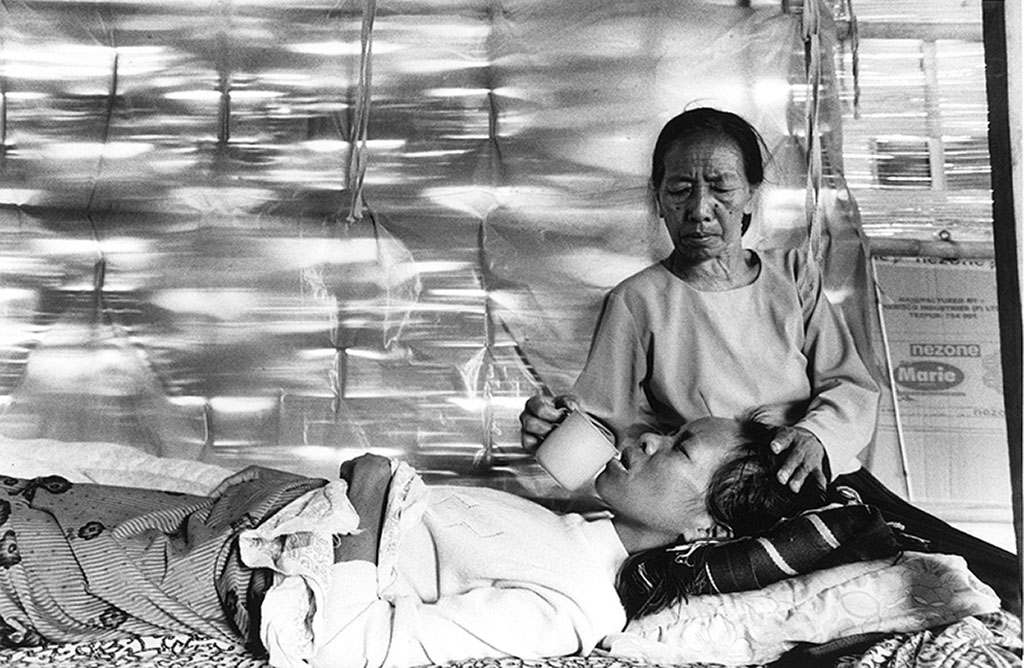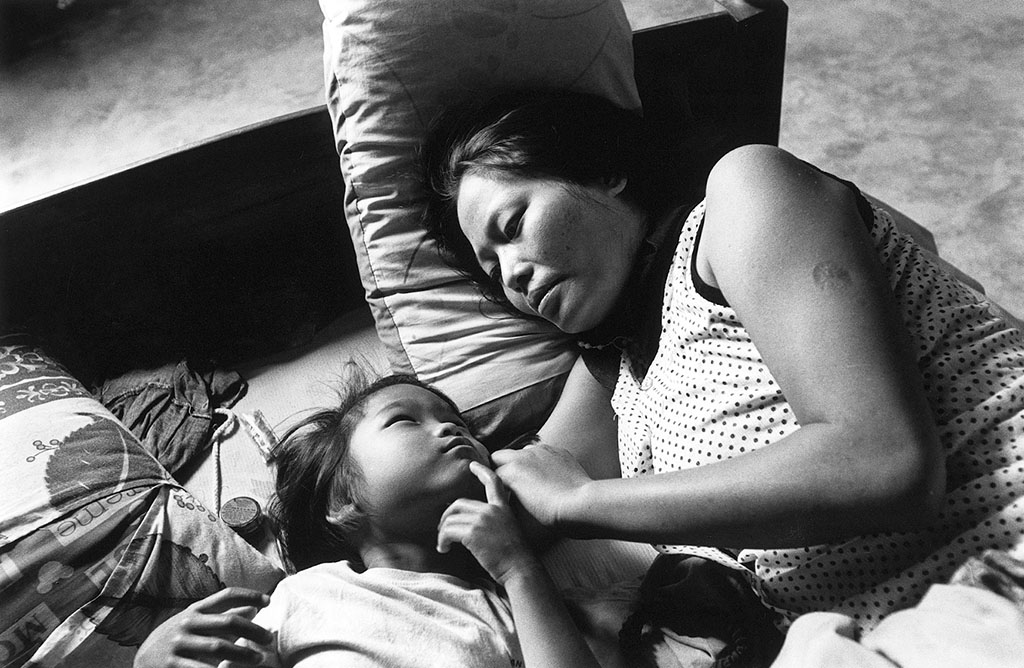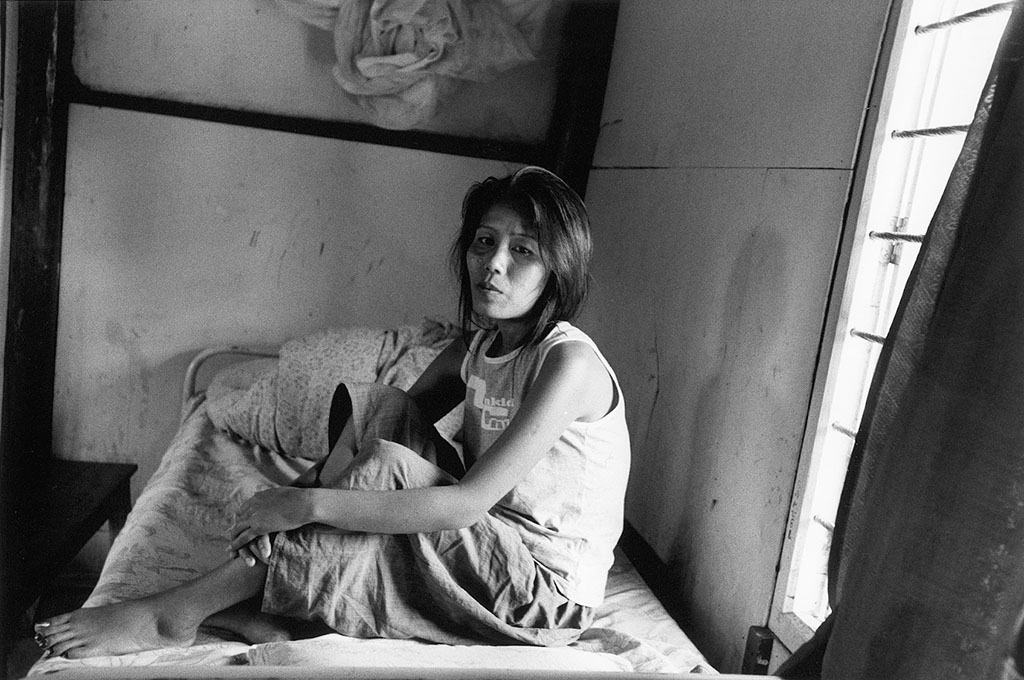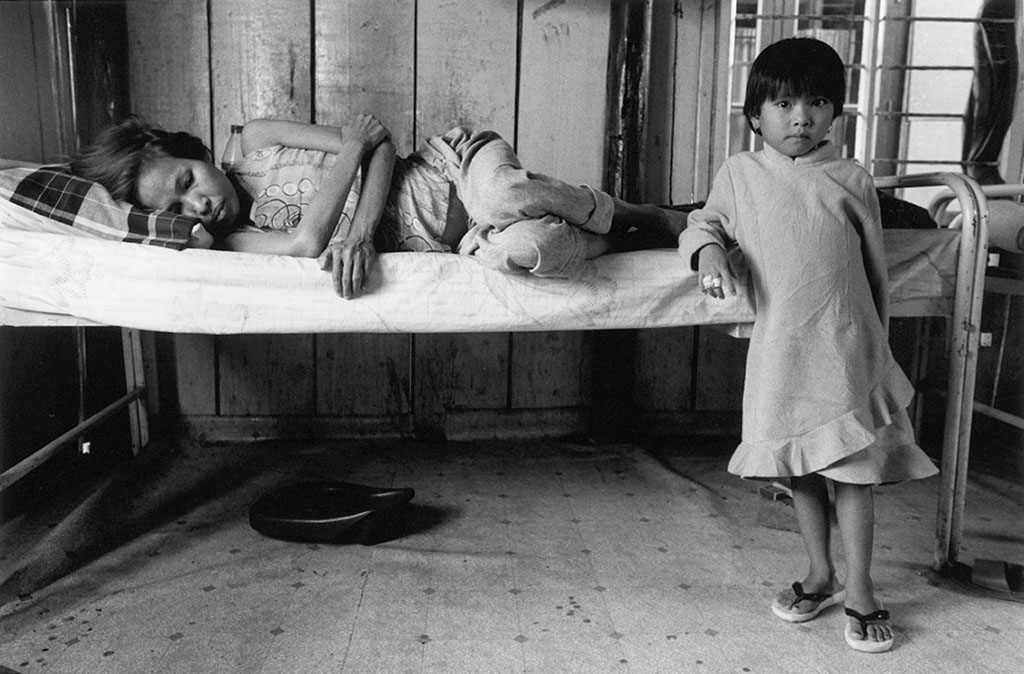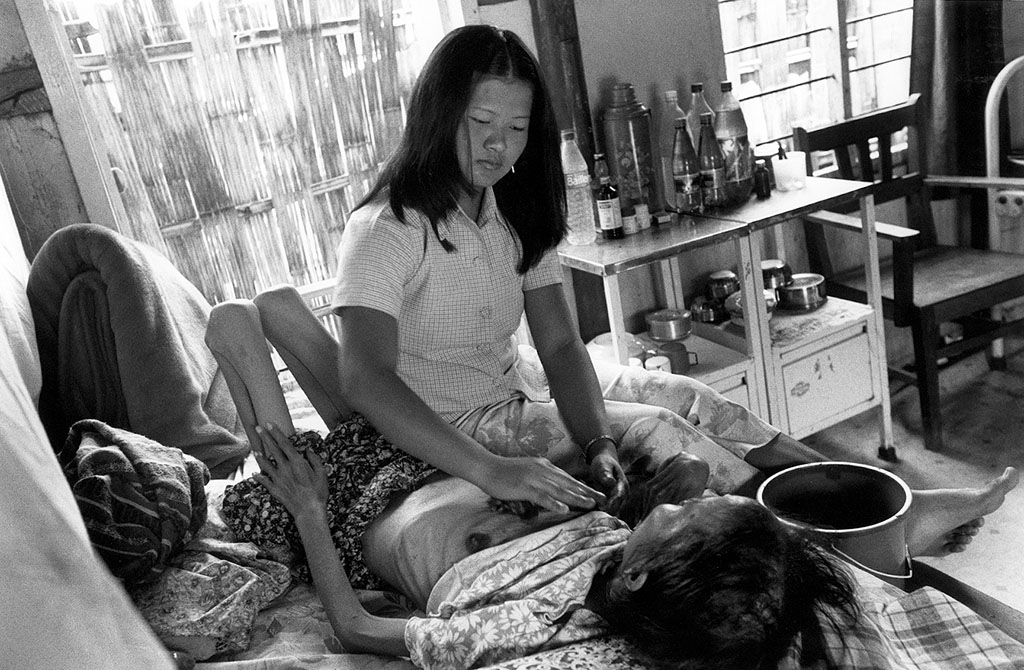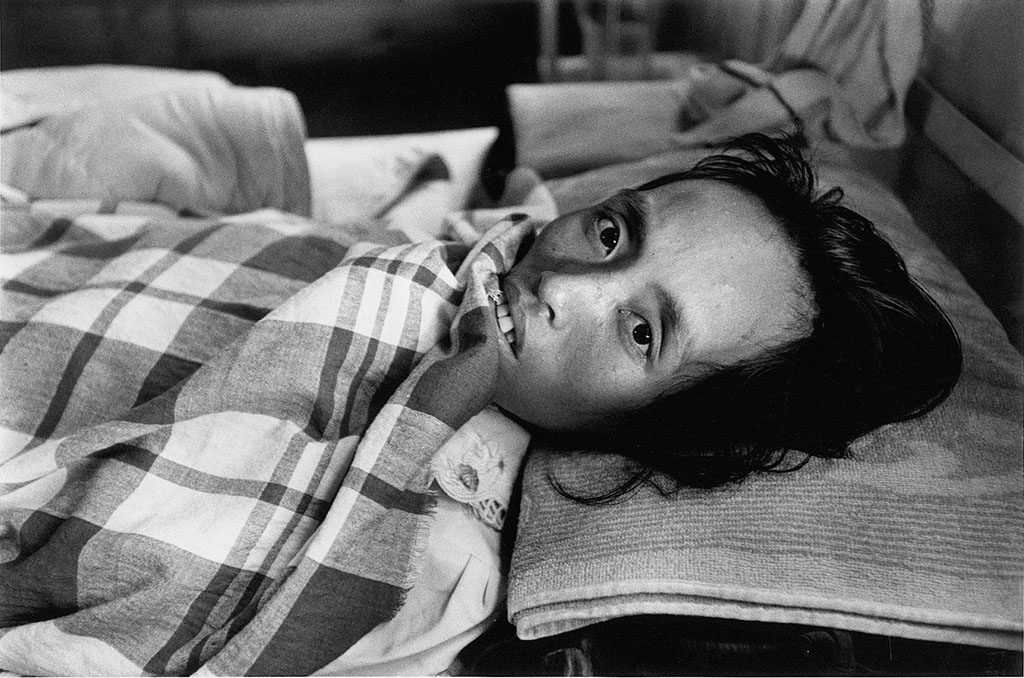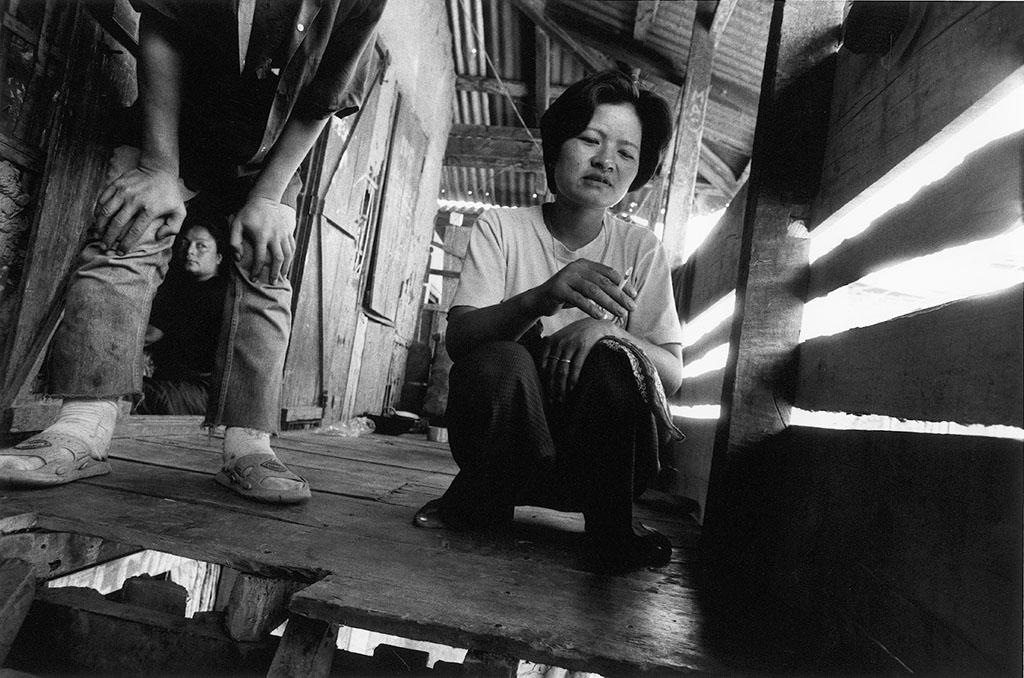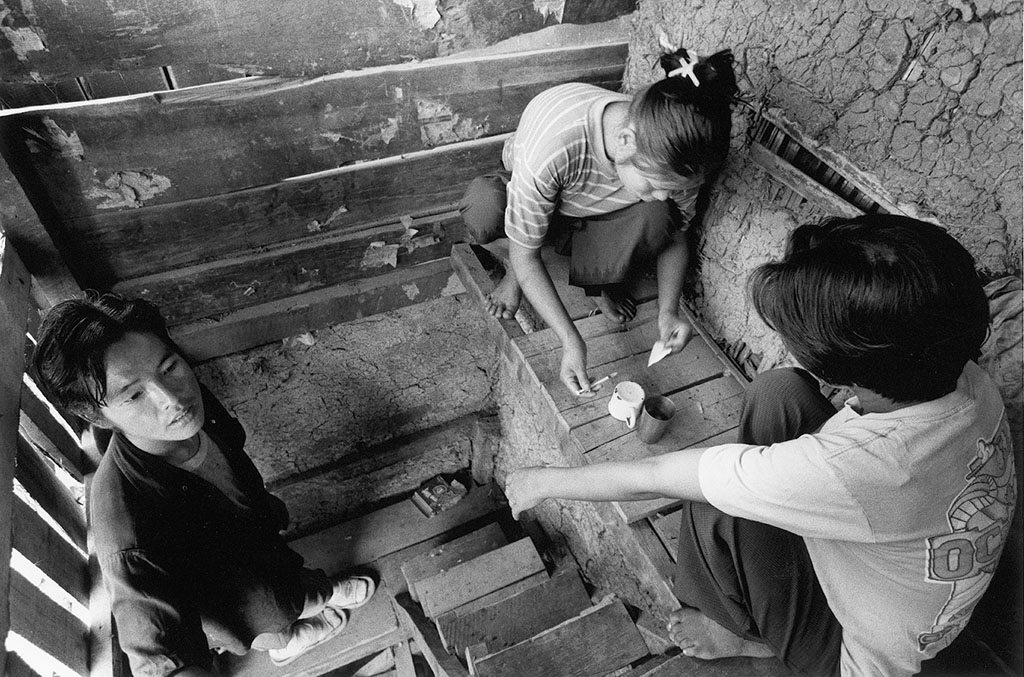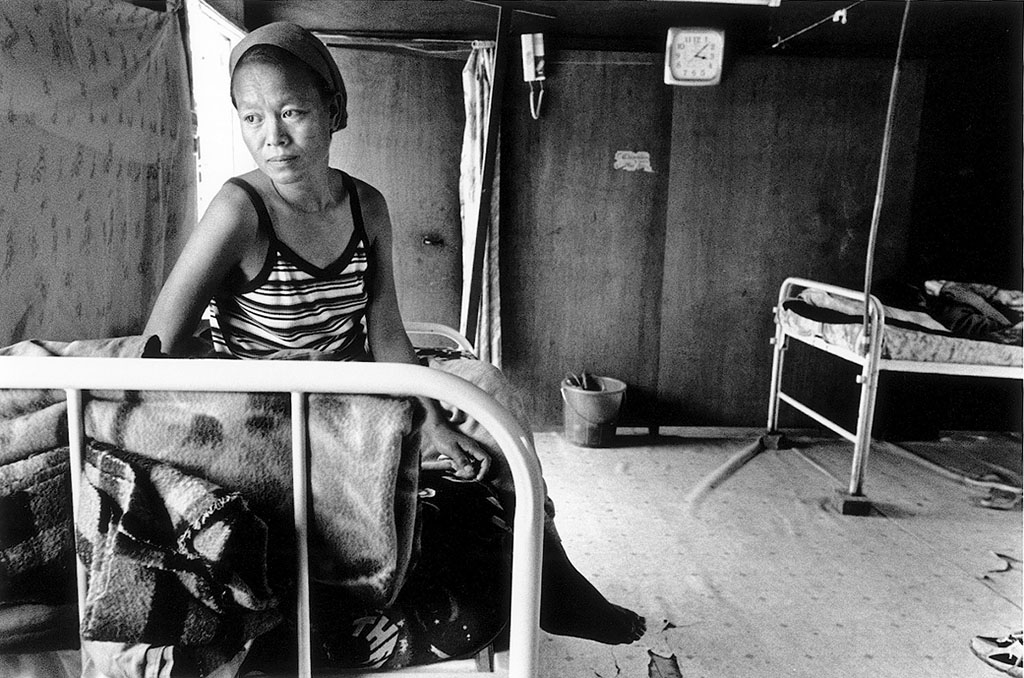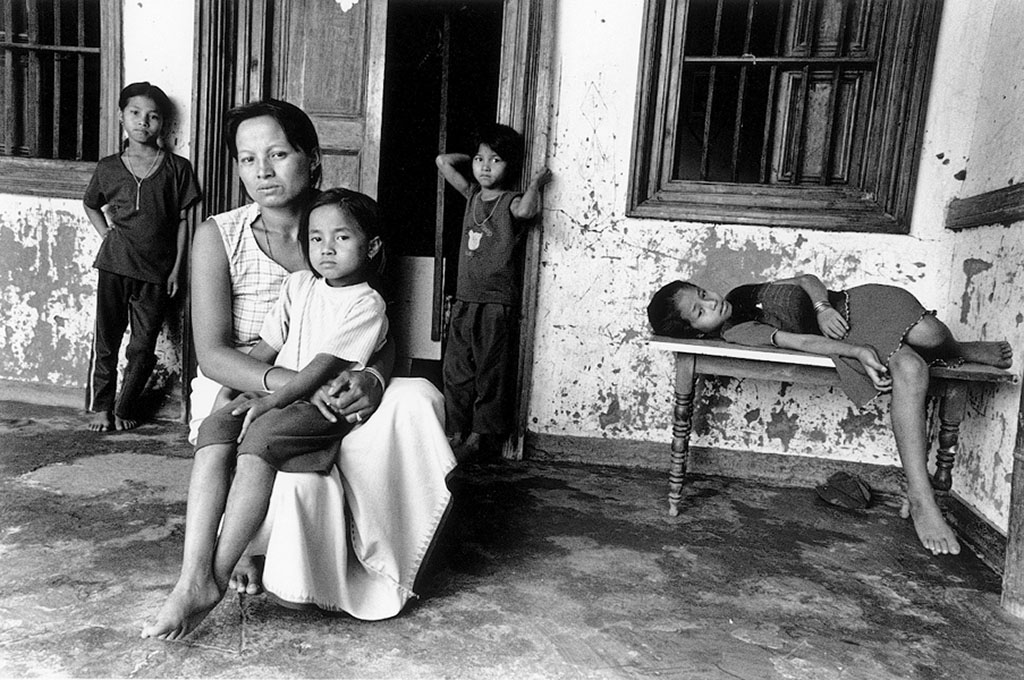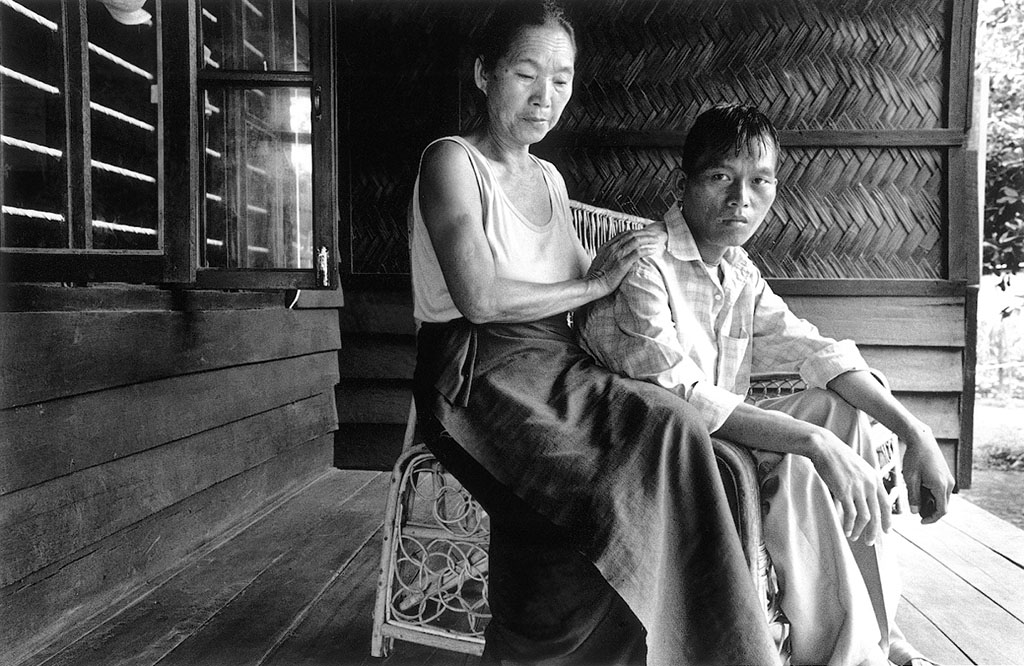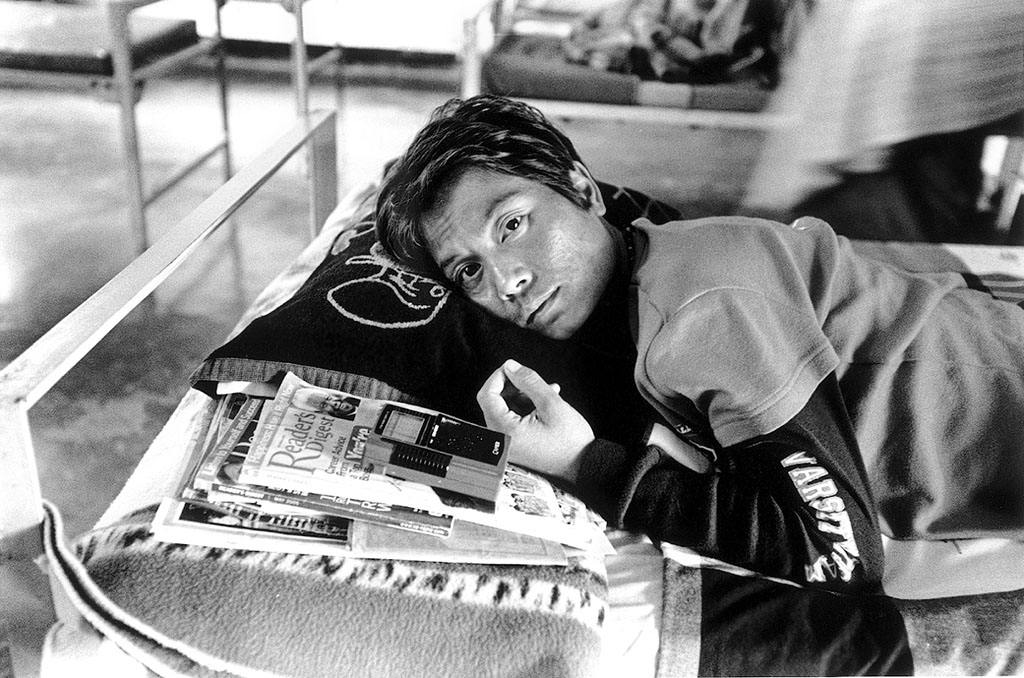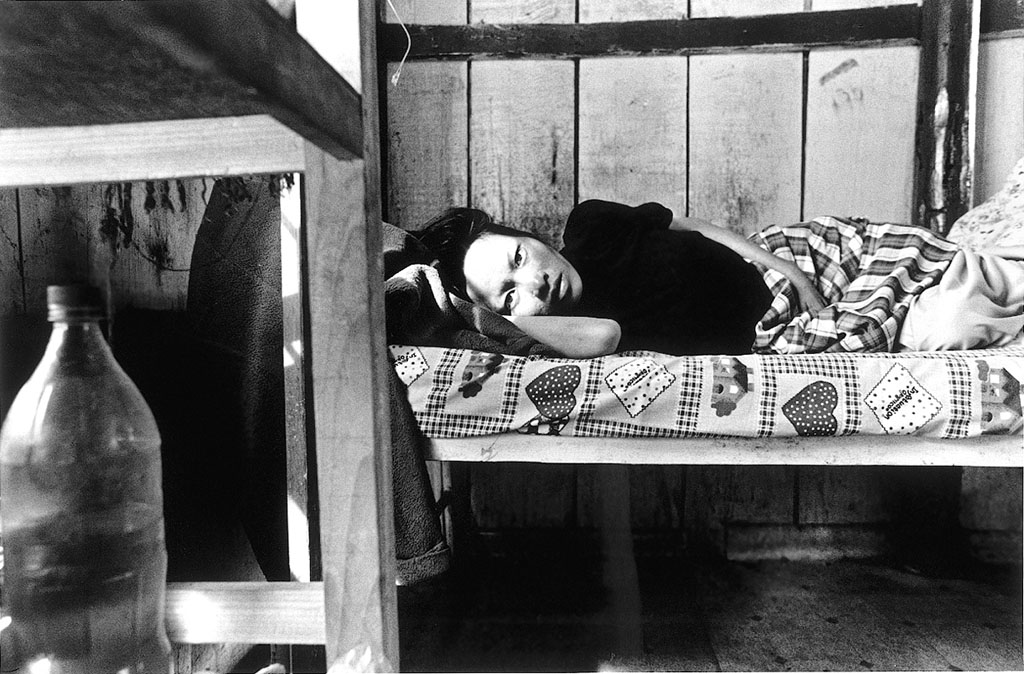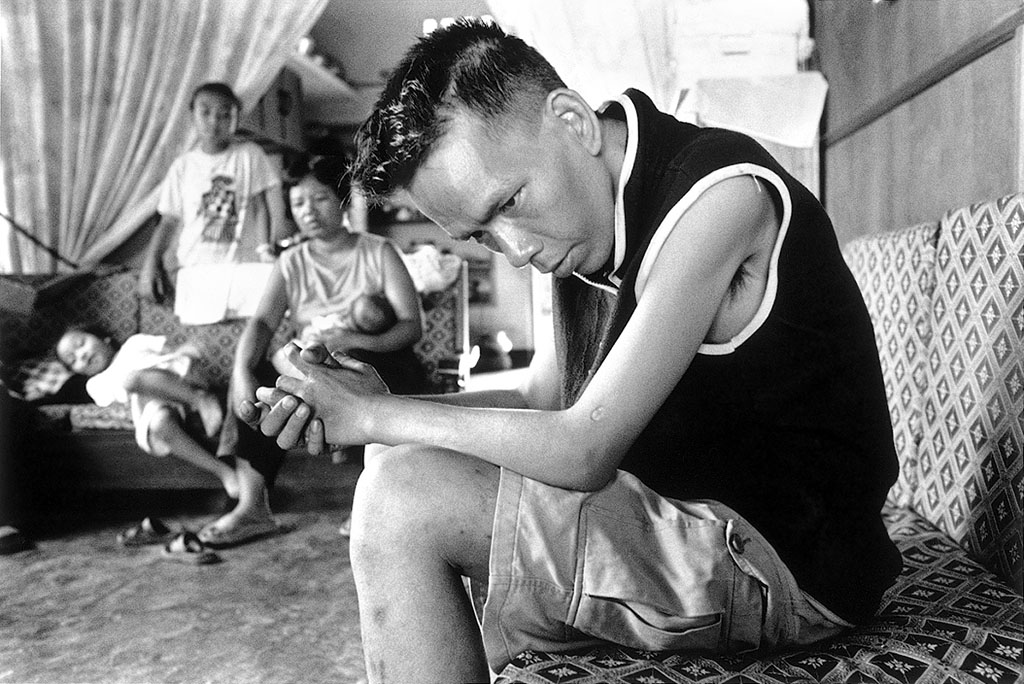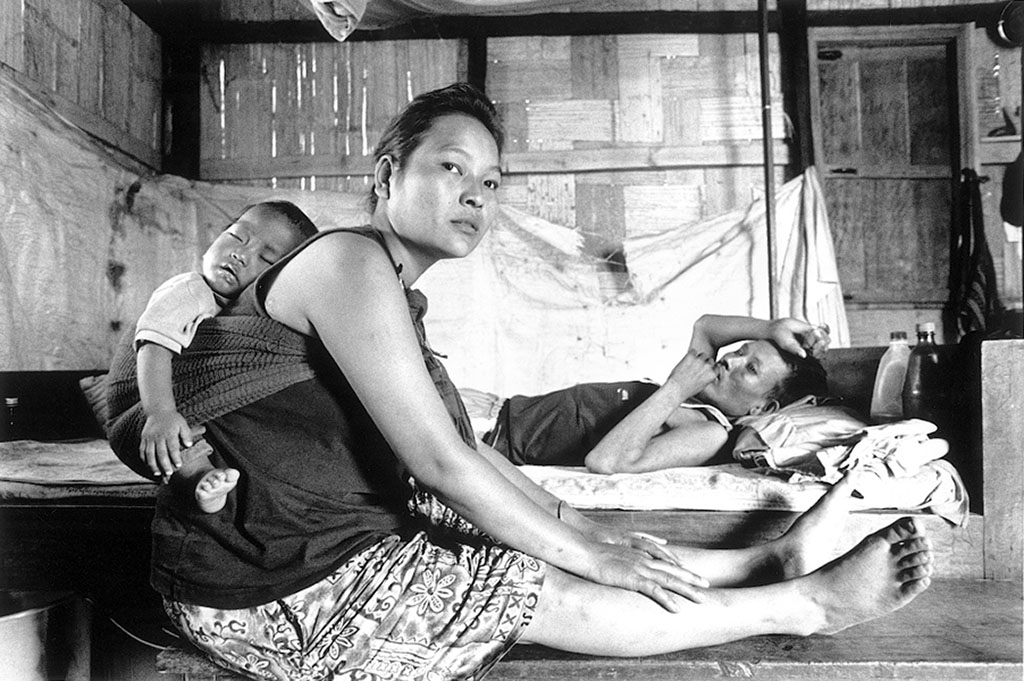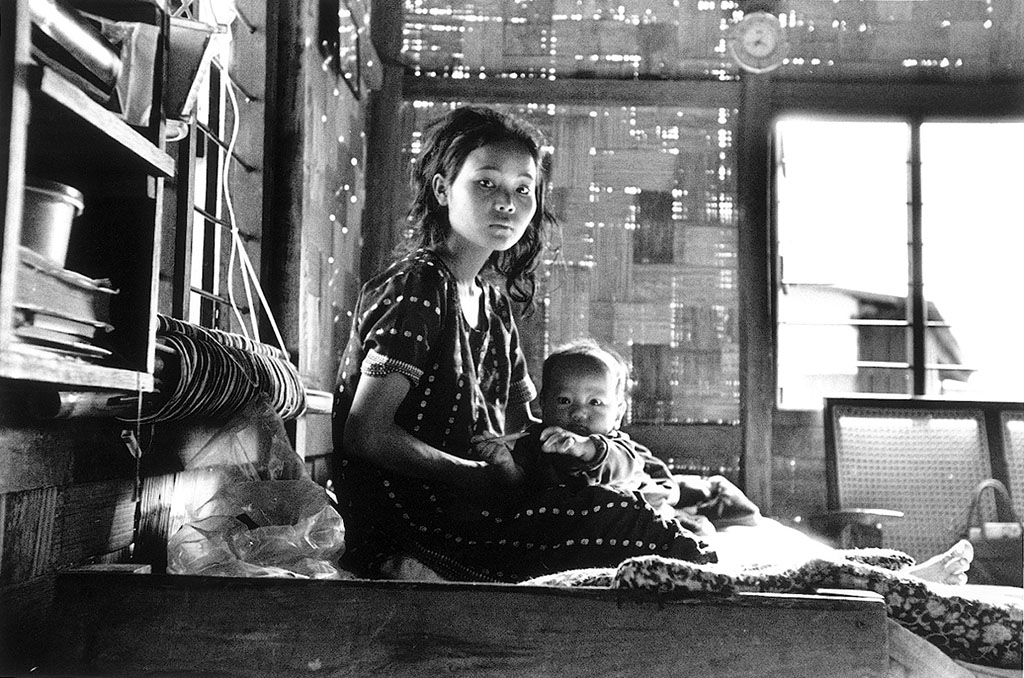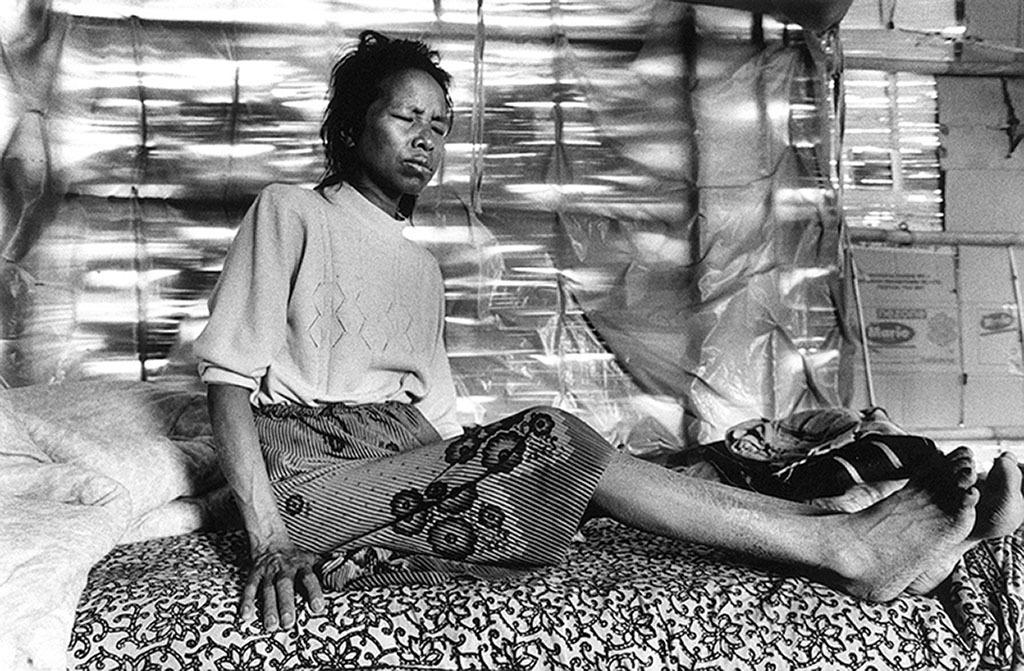
My work on HIV/AIDS (2000 – 2006) commissioned by UNAIDS and then supported by
the Ford Foundation was the first nationwide attempt at creating such a visual archive on
the issue and contributed hugely in reducing the stigma associated with living with
HIV/AIDS.
My intention to photograph HIV+ people grew out of the terrible stigma that I witnessed a
friend experience living in India’s capital, New Delhi. I wondered what it would be like to
live with the virus in the smaller towns and rural areas. The stigma attached to being
HIV+ was extremely harsh. I began to look for HIV+ people who were leading as normal
a life as was possible at that time and began to document the lives of people from
various social strata and backgrounds whose struggles echoed similar sentiments. From
the ports of Goa to the trans-gendered mythological festivities of Tamil Nadu to the
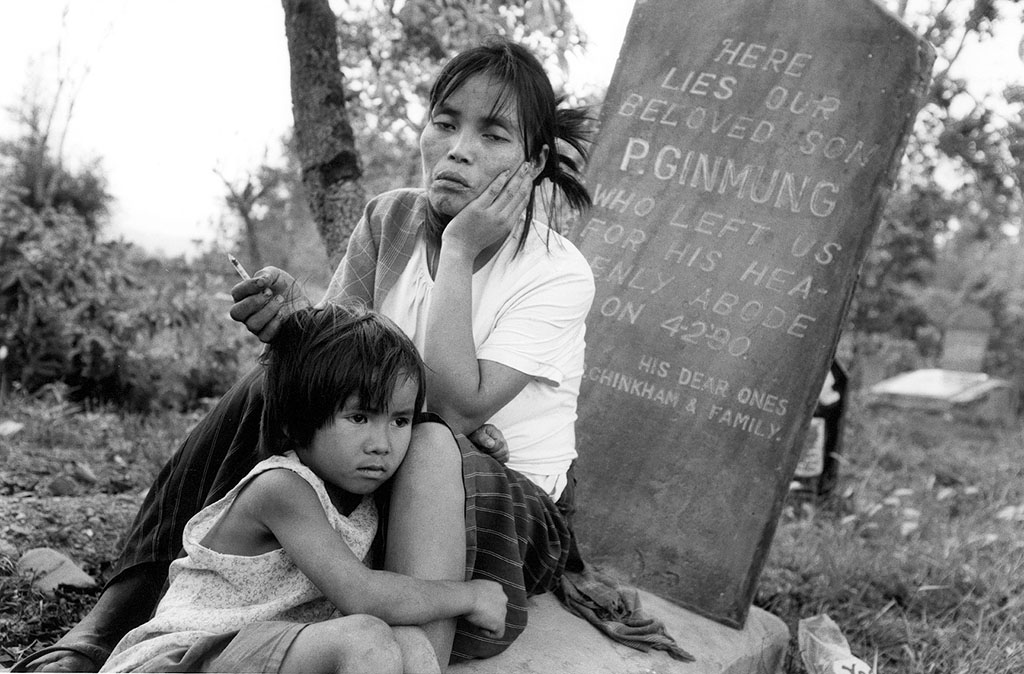
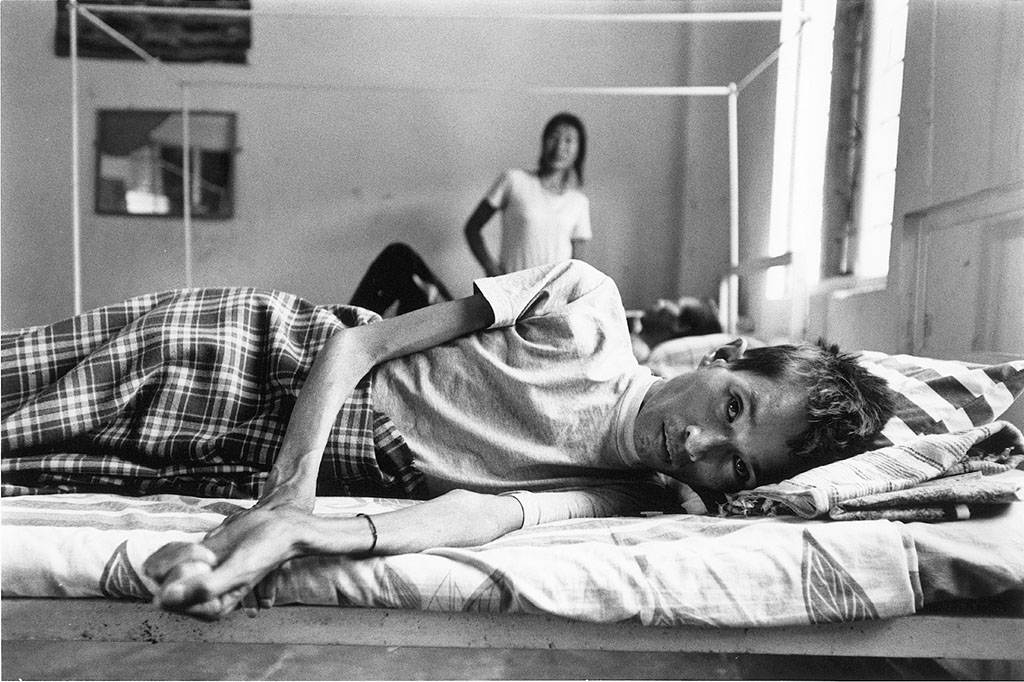
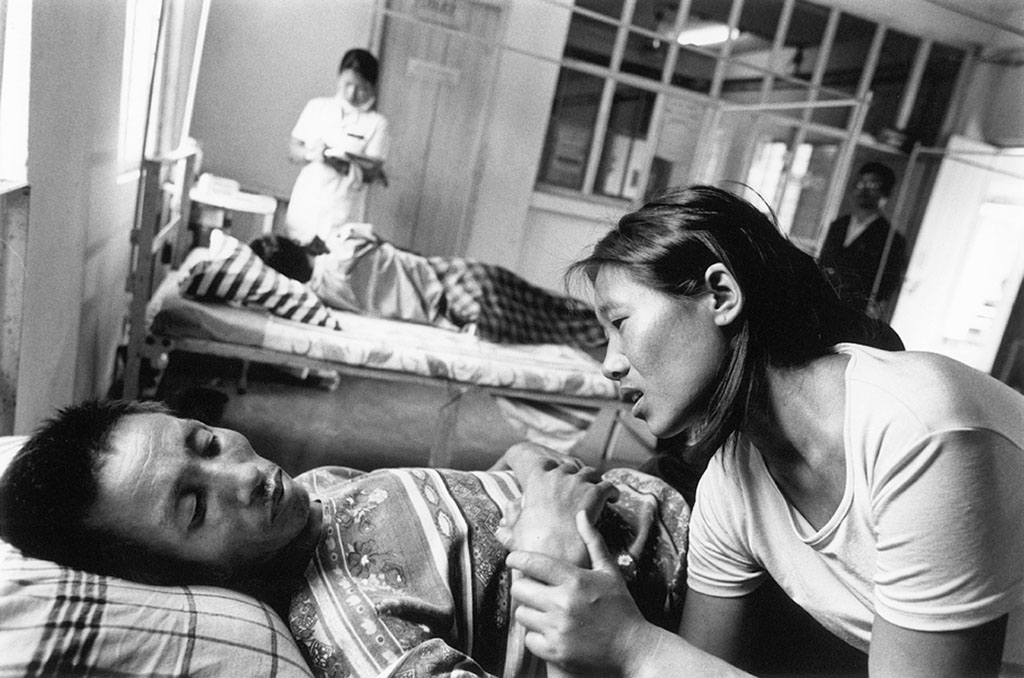
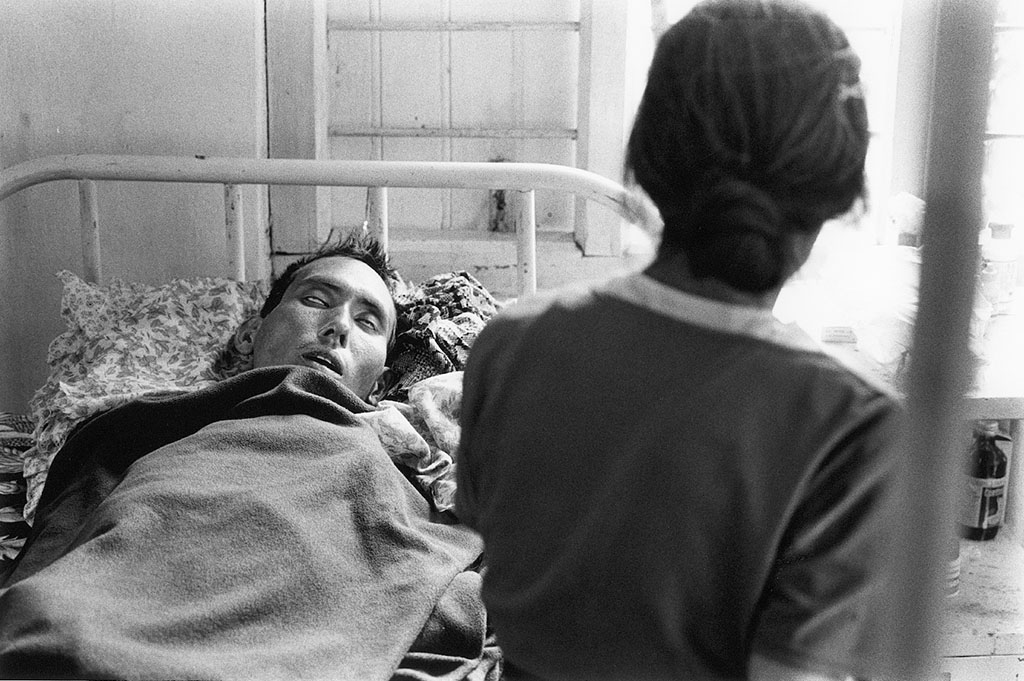
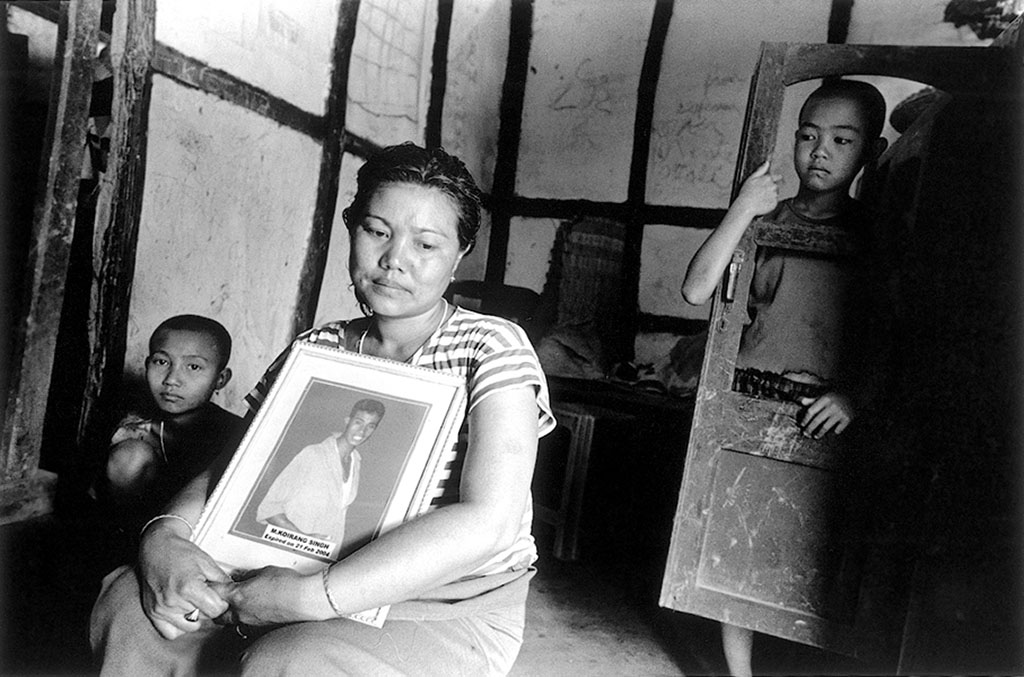
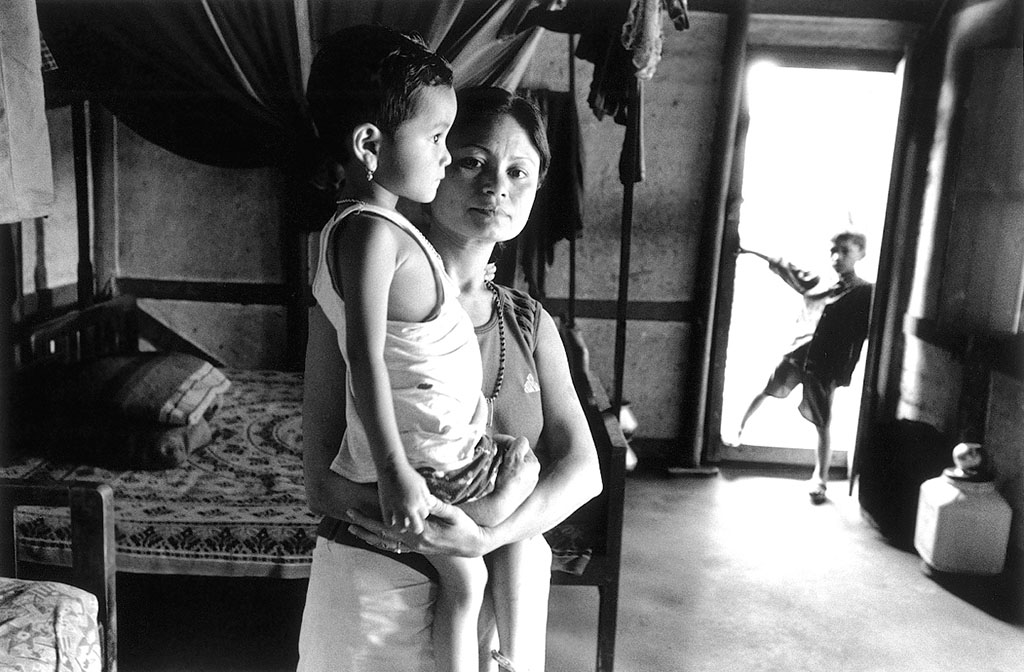
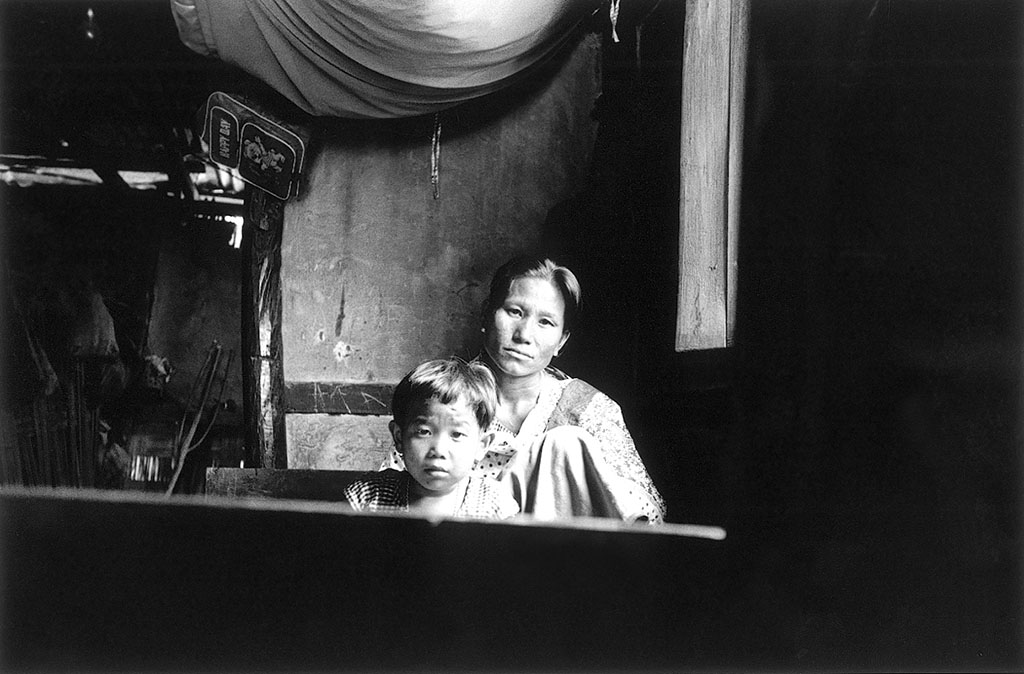
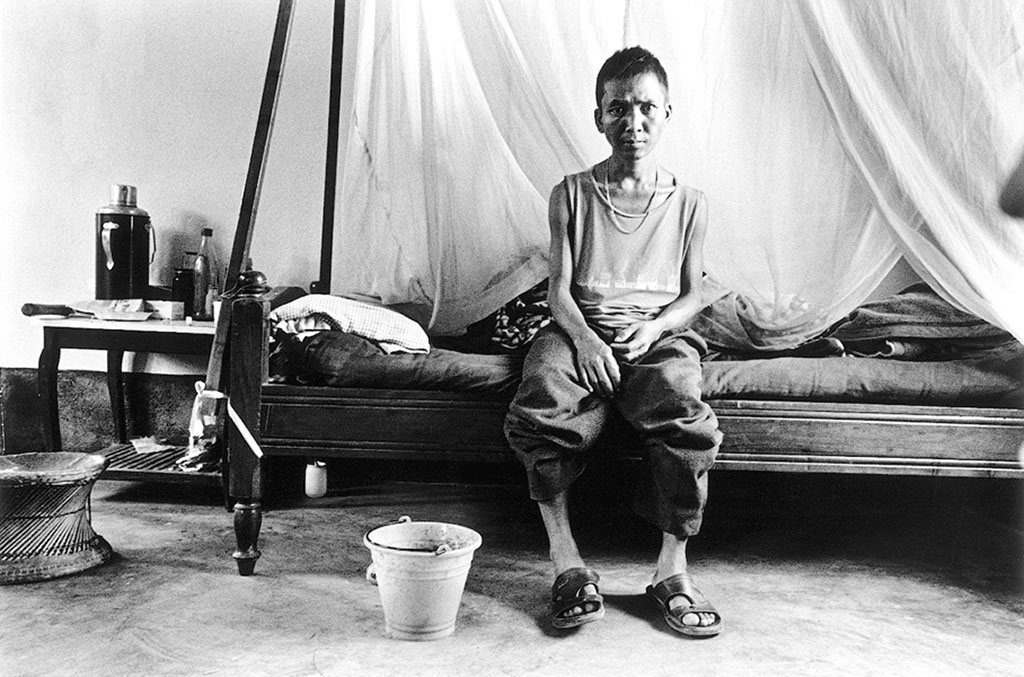
brothels of Maharashtra to the drug consumed villages of Manipur to the migrant
colonies of New Delhi, I met people and photographed them.
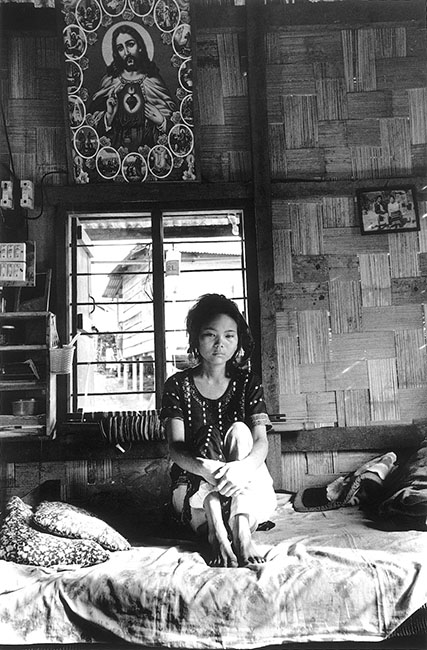
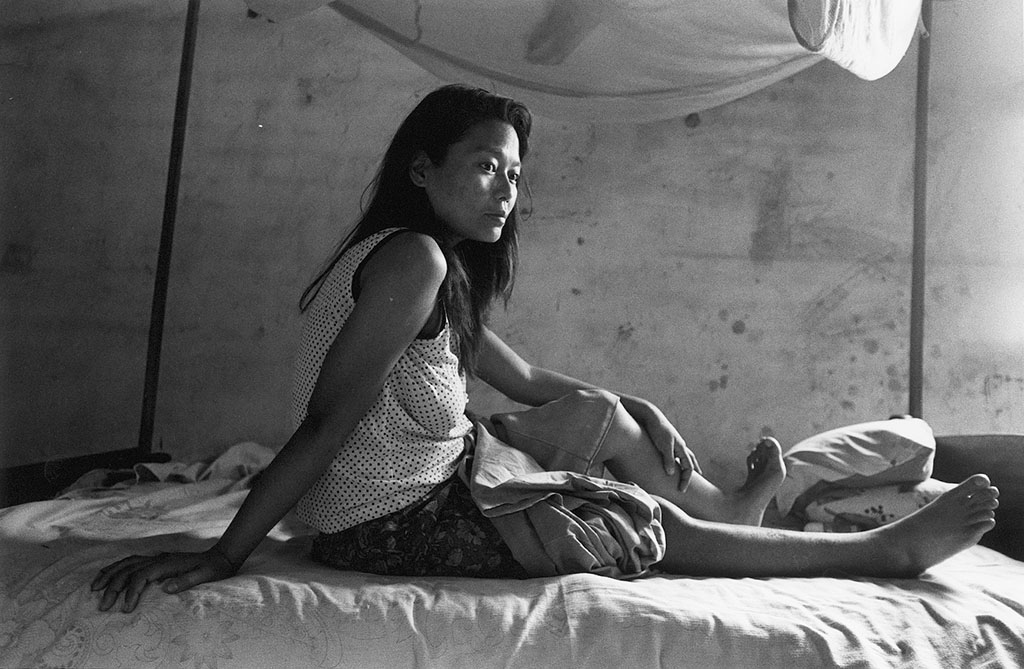
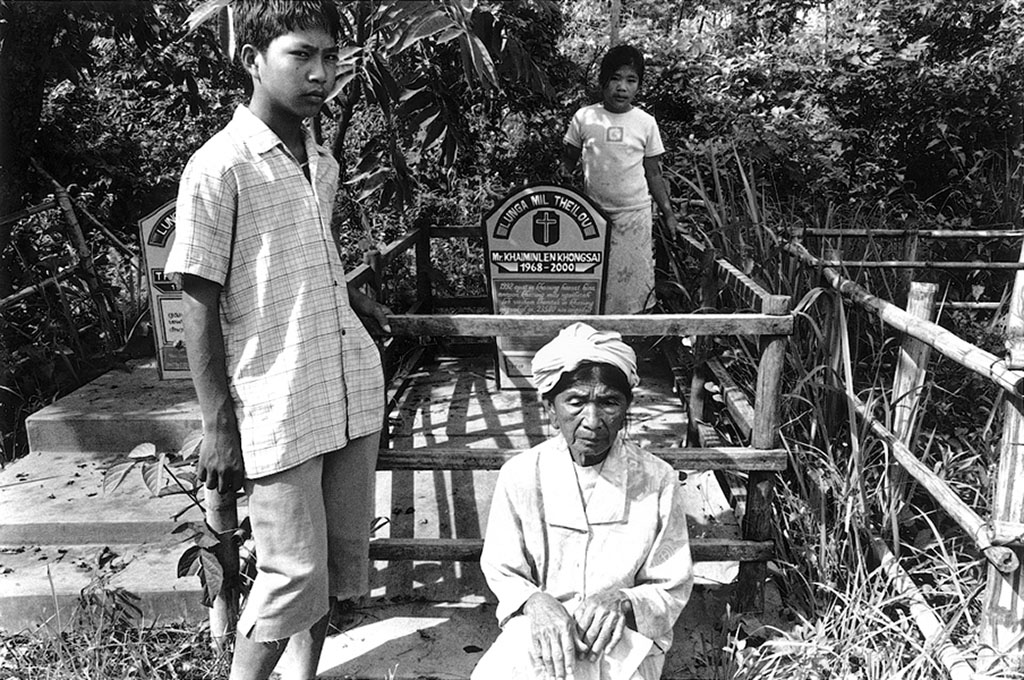
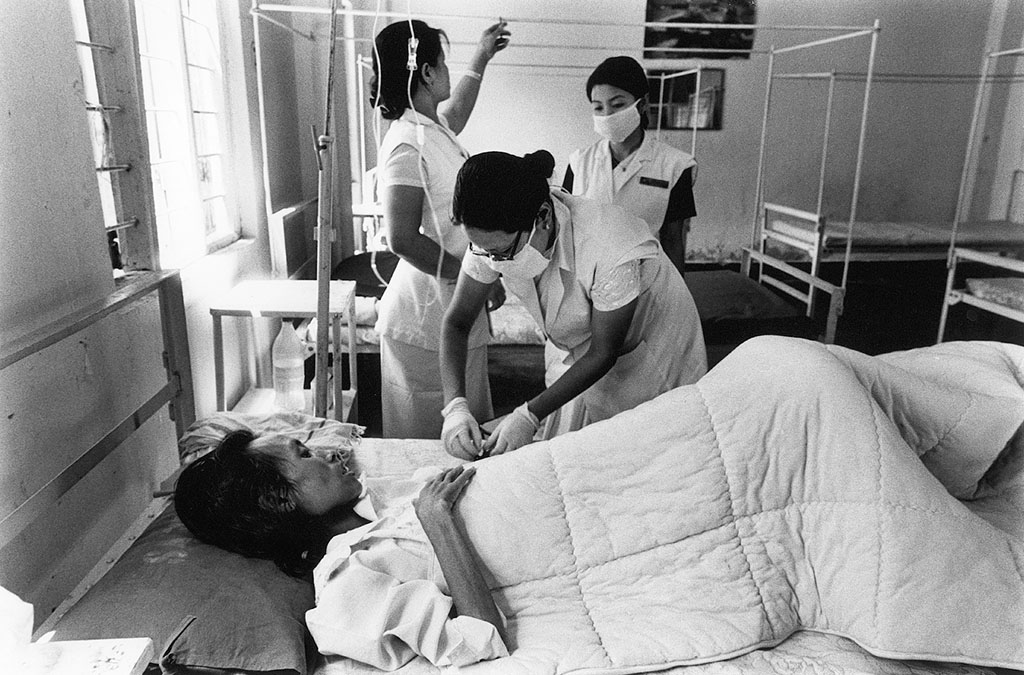
The purpose of this endeavor was to try and give a human face to this epidemic. When
this work was exhibited for the first time at an international conference on HIV/AIDS in
Australia, I ensured that two people whom I had photographed were also present. This
work went on to be exhibited in India and internationally and was always accompanied
by at least a couple of people who had been photographed for this project. Their
interaction with the visitors at the exhibitions gave them the agency to represent
themselves and contributed hugely to the advocacy about the issue and helped reduce
the stigma associated with the illness.
The photographs shown here were made in Manipur.